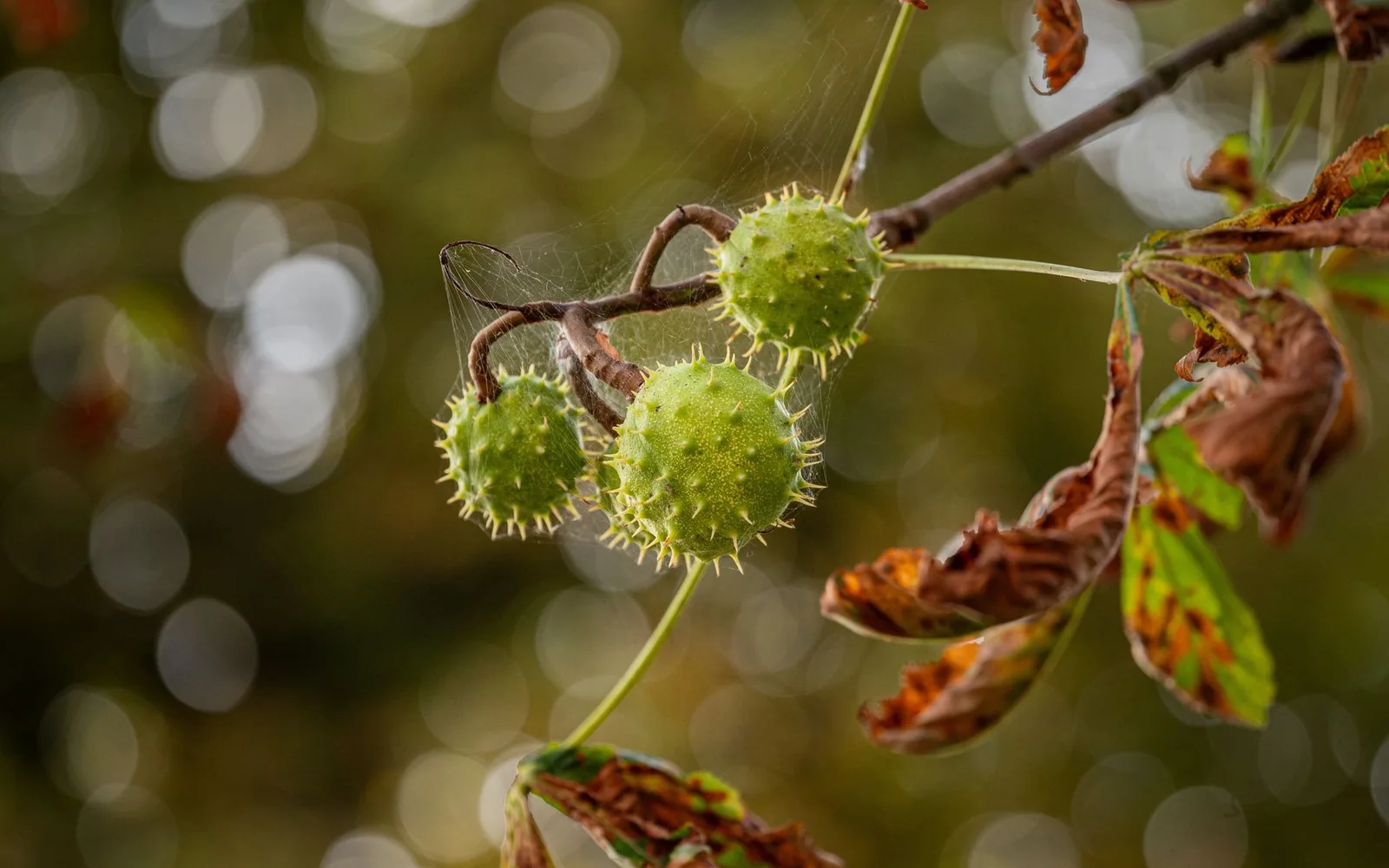
What is Horse Chestnut Extract 10:1?
Horse Chestnut Extract 10:1 is a standardized herbal extract (10:1) obtained from the Horse chestnut plant. It is used as a raw material in dietary supplement production.
Product Properties
- Part used: Seed
- Standardization: 10:1
- Solubility: Water-soluble
| Analysis | Value |
|---|---|
| Moisture | ≤5.0 % |
| Total Heavy Metals | ≤10 ppm |
| E. Coli | Negative in 10 g |
| Salmonella | Negative in 25 g |
What is Horse Chestnut Extract 10:1 Used For? What is its Purpose?
What is Horse Chestnut Extract 10:1 used for? Horse chestnut is a standardized herbal raw material used in dietary supplements to alleviate leg complaints associated with chronic venous insufficiency, due to its Aesin (escin) – the main active ingredient of standardized horse chestnut seed extract content. With its standardized 10:1 content, it provides a consistent component source in formulations such as standardized capsules/tablets (standardized according to aesin), gels/creams (topical), and extracts.
Benefits and Main Uses of Horse Chestnut Extract 10:1
- Chronic venous insufficiency: A Cochrane review evaluating 17 randomized studies provides moderate evidence that standardized horse chestnut seed extract (50–150 mg aesin per day) improves symptoms of leg pain, edema, and itching in chronic venous insufficiency.
- Leg edema and heaviness: Clinical studies show that the extract helps reduce fluid accumulation (edema), swelling, and the feeling of heaviness/fatigue in the legs.
- Vein health: Aesin helps improve venous circulation by reducing capillary permeability and supporting venous tone.
- Varicose vein complaints (traditional): Traditionally used to alleviate complaints such as swelling and pain associated with varicose veins.
Mechanism of Action and Active Components
Aesin (escin) reduces fluid leakage and edema by decreasing capillary permeability and increasing venous wall tone; it also exhibits anti-inflammatory effects.
Forms of Use (Tablet, Capsule, Powder)
The powder form can be used in tablet, capsule, powder mix/sachet, and (being water-soluble) liquid/syrup formulations.
Positive Plant List Check
Horse chestnut is included among the permitted (positive) plants under the Turkish Food Codex dietary supplement legislation. The permitted/used part: Seed.
Usage Rate in Dietary Supplements
According to the Restricted Substances List for Dietary Supplements, a daily usage limit of 500mg/day applies to this component/extract.
Storage, Shelf Life, and Re-test
Store in a cool, dry, and protected from light environment. The recommended re-test period is generally 3 years; it varies by manufacturer. The CoA document of the relevant batch shall be taken as the basis for the exact date.
Technical Documents and Supply — Asuka Kimya
You can contact Asuka Kimya for SDS, TDS, CoA, and supply conditions for Horse Chestnut Extract 10:1.
References
The usage information on this page is compiled from official herbal monographs and scientific literature (e.g., EMA/HMPC, NIH/NCCIH, Cochrane, EFSA). The product is a dietary supplement raw material; it does not claim to diagnose or treat diseases.